Colombian Food
From bandeja paisa to specialty coffee — the dishes, restaurants, and flavors that define Medellín.
A Cuisine Born of Mountains
Colombian food is the product of three colliding worlds: indigenous corn and potato traditions, Spanish cattle and rice culture, and African coconut and plantain influences brought through Cartagena. The result is hearty, flavorful, and deeply regional.
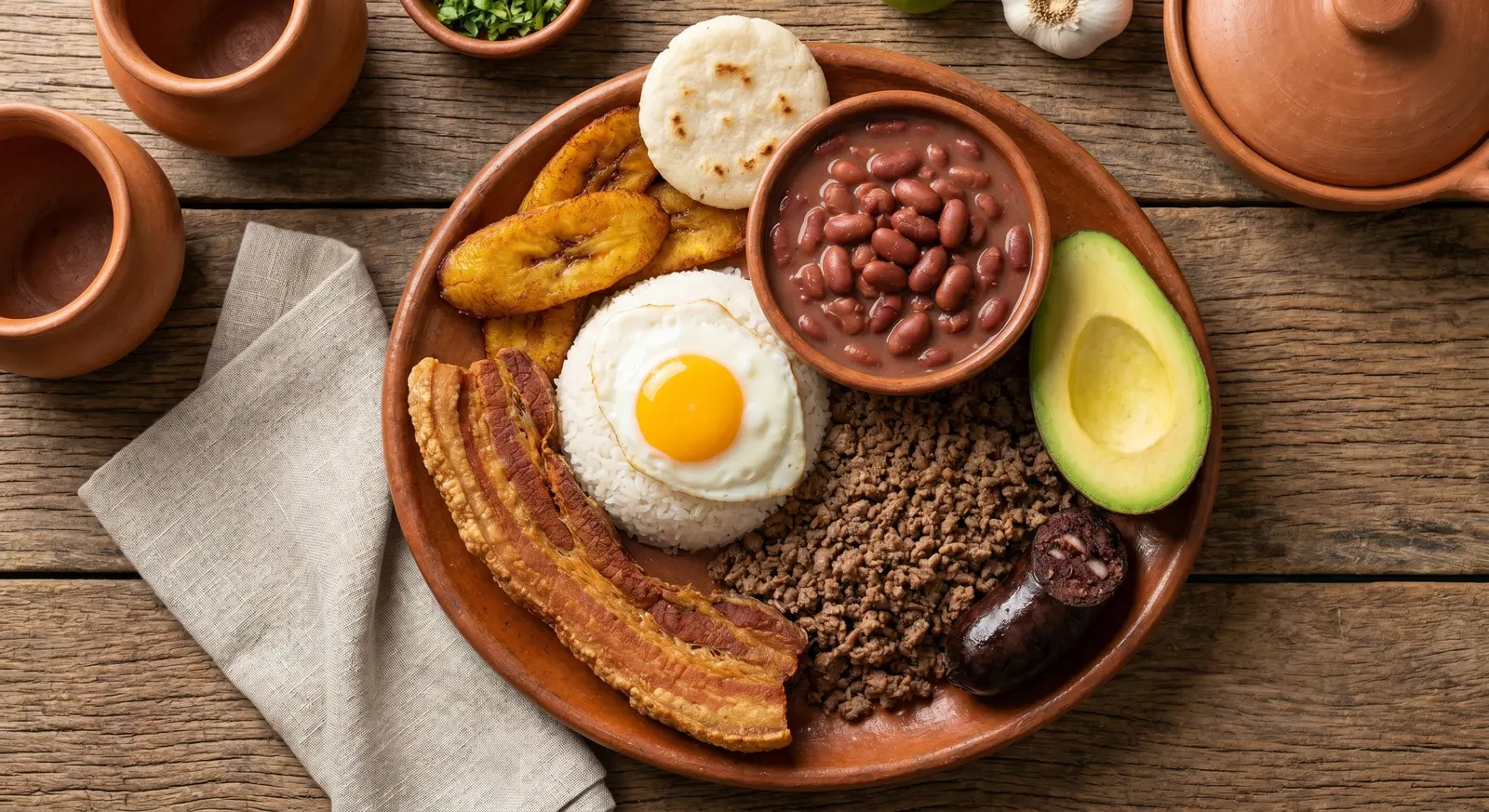
In Medellín, the defining cuisine is paisa — food of the Antioquian highlands. Think enormous portions, slow-cooked meats, beans, rice, plantains, and arepas. The bandeja paisa isn't just a dish — it's a manifesto of abundance.
Over the past decade, Medellín has also developed a world-class fine dining scene. Chefs are taking those traditional ingredients and elevating them into tasting menus that have earned international acclaim. The city's specialty coffee revolution means you can drink some of the world's best coffee without leaving your café.
Local Knowledge
Bandeja Paisa Is a Law
In 2005, Colombians petitioned to make bandeja paisa the national dish. It lost to sancocho, but in Antioquia, it's still king. The traditional version has 11 ingredients.
Arepas Are Not Mexican
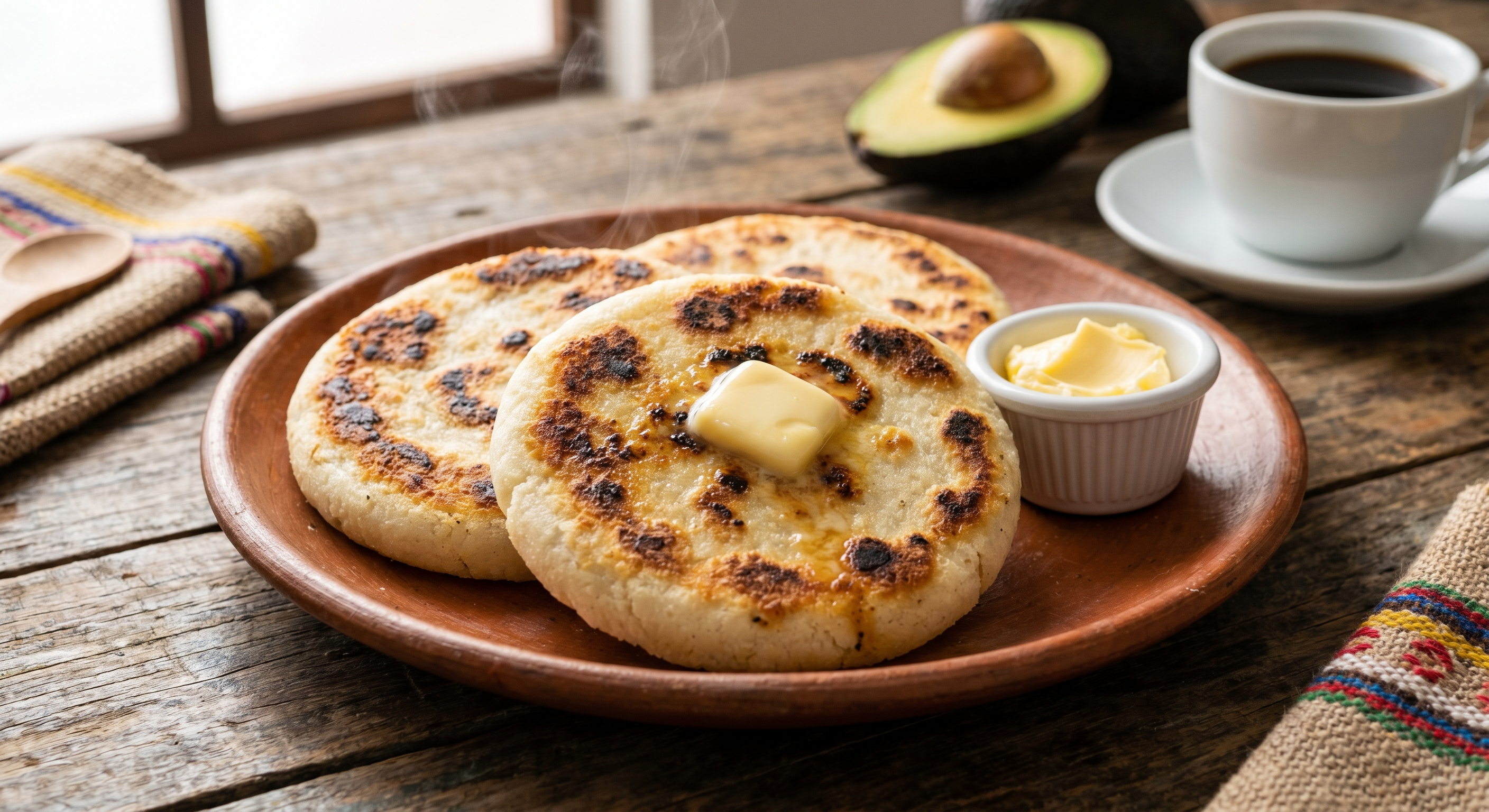
Colombian arepas are thinner and simpler than Venezuelan ones — usually just cornmeal, water, salt, and butter. Each region has its own version. In Medellín, try arepa de choclo (sweet corn).
Coffee Was a Secret
For decades, Colombians exported their best coffee and drank the leftovers. The specialty coffee movement changed that — now cafés like Pergamino serve the same quality locals used to only export.
Lulo Is Magic
This citrusy, tangy fruit tastes like a cross between lime, pineapple, and rhubarb. Order a jugo de lulo anywhere. You'll never go back to orange juice.
Menu del Día Is the Deal
At lunchtime, most restaurants offer a set menu: soup, main dish, drink, and sometimes dessert for COP $10,000–$18,000 ($2.50–$4.50). Look for "Almuerzos" signs.
Tinto Doesn't Mean Wine
In Colombia, "tinto" means black coffee — not red wine. It's served small, sweet, and all day long. Order "café tinto" any time. It's practically free.
Traditional Dishes
Bandeja Paisa
The undisputed king of Colombian food. A massive platter of red beans, white rice, ground beef, chicharrón, fried egg, plantain, avocado, arepa, and morcilla (blood sausage). Eat it for lunch — you won't need dinner.
Arepas
Grilled cornmeal cakes — the bread of Colombia. In Medellín, the local style is "arepa de choclo," made with sweet corn and cheese. Eaten at breakfast, lunch, or as a street snack.
Empanadas
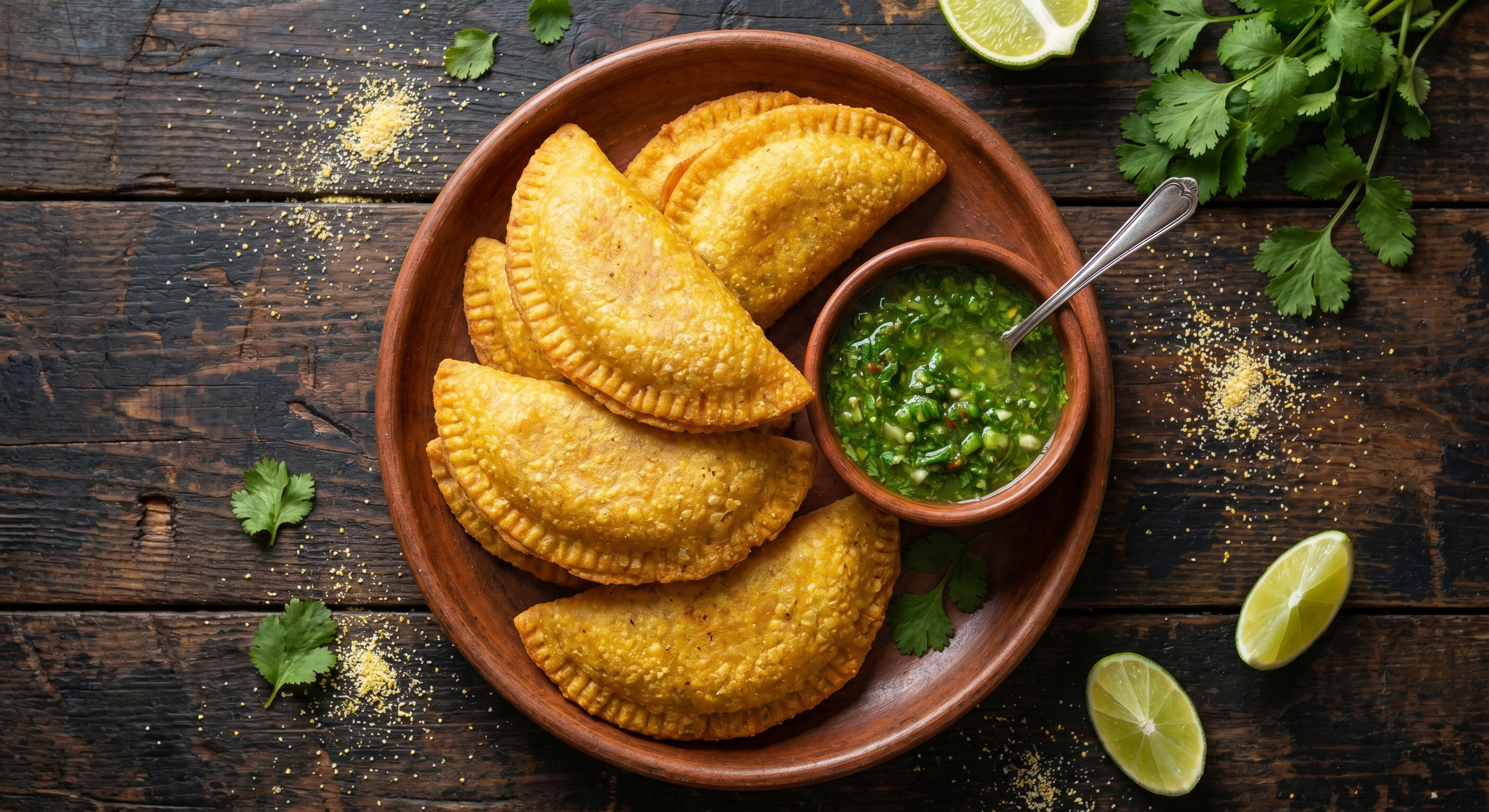
Deep-fried corn pastry stuffed with beef, chicken, or cheese. The Colombian version uses corn dough (not wheat like Argentine ones). Best from a street vendor, eaten hot with ají sauce and lime.
Ajiaco
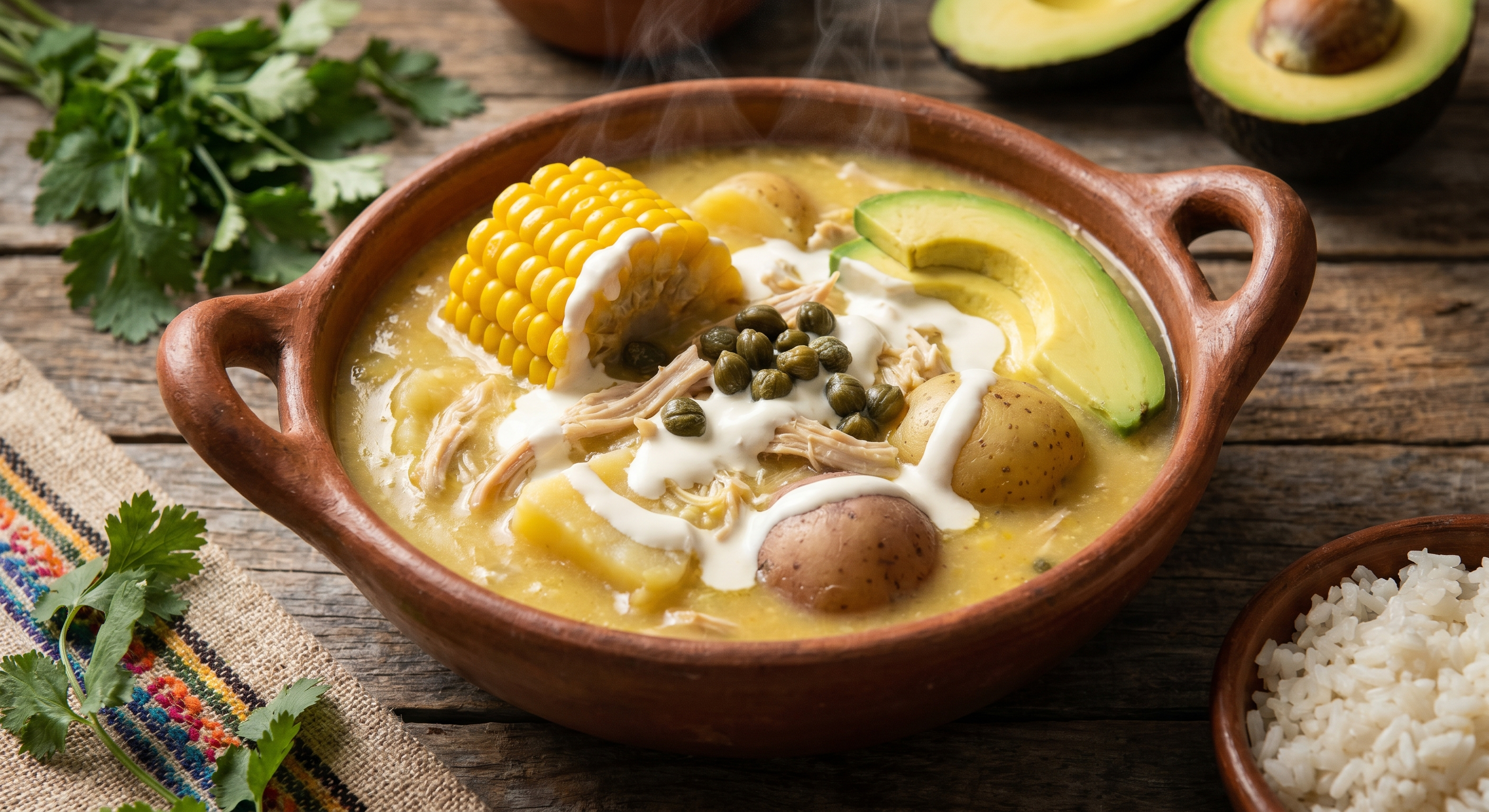
Bogotá's signature soup — chicken, three kinds of potato, corn on the cob, and guascas (a local herb). Served with capers, cream, and avocado on the side. Hearty, rich, and perfect for a cool evening.
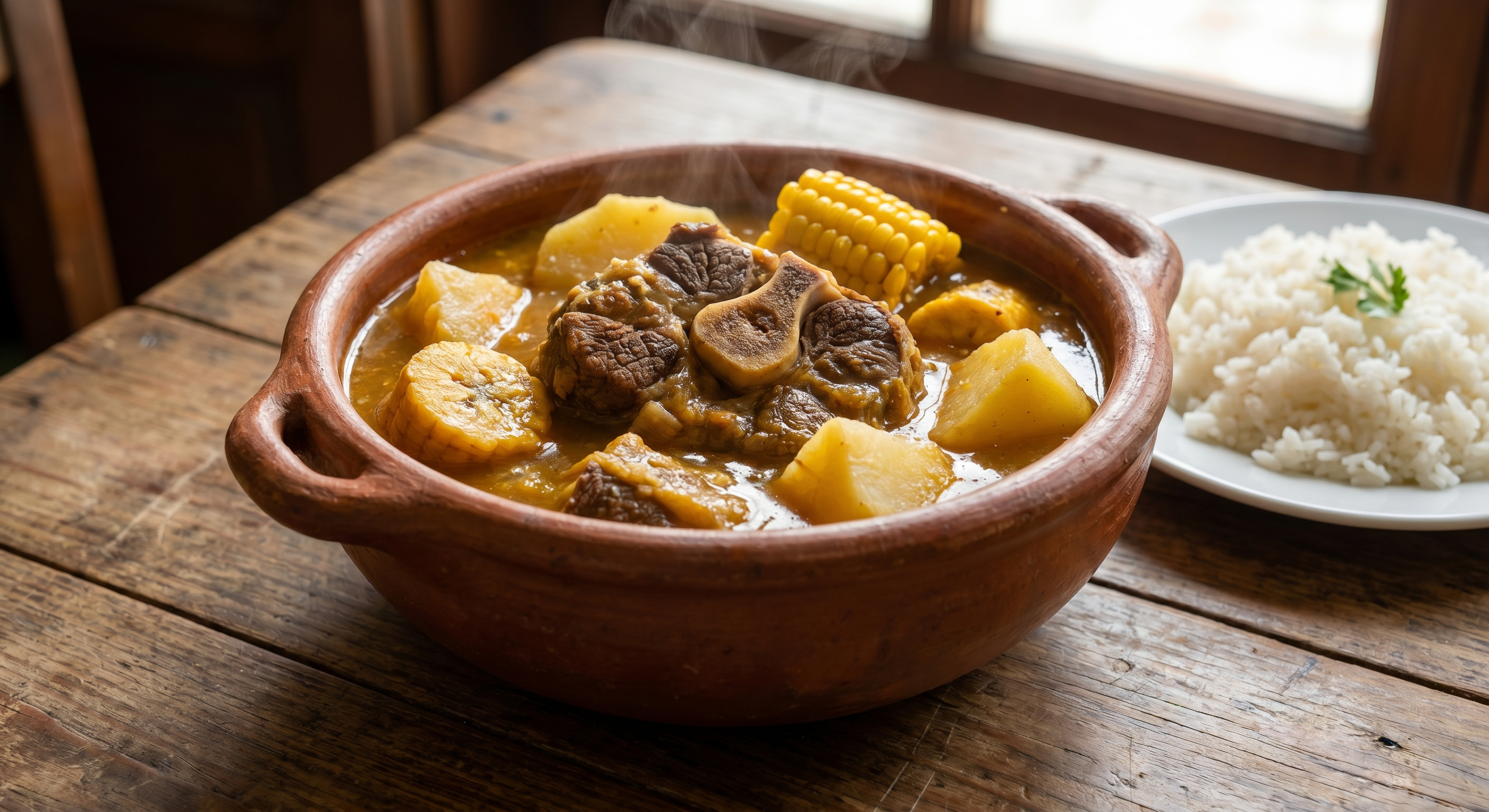
Sancocho
The Colombian comfort soup — chicken, beef, or fish with plantain, yuca, corn, and potato in a clear broth. Every region has its version. In Medellín, try sancocho trifásico (three meats).
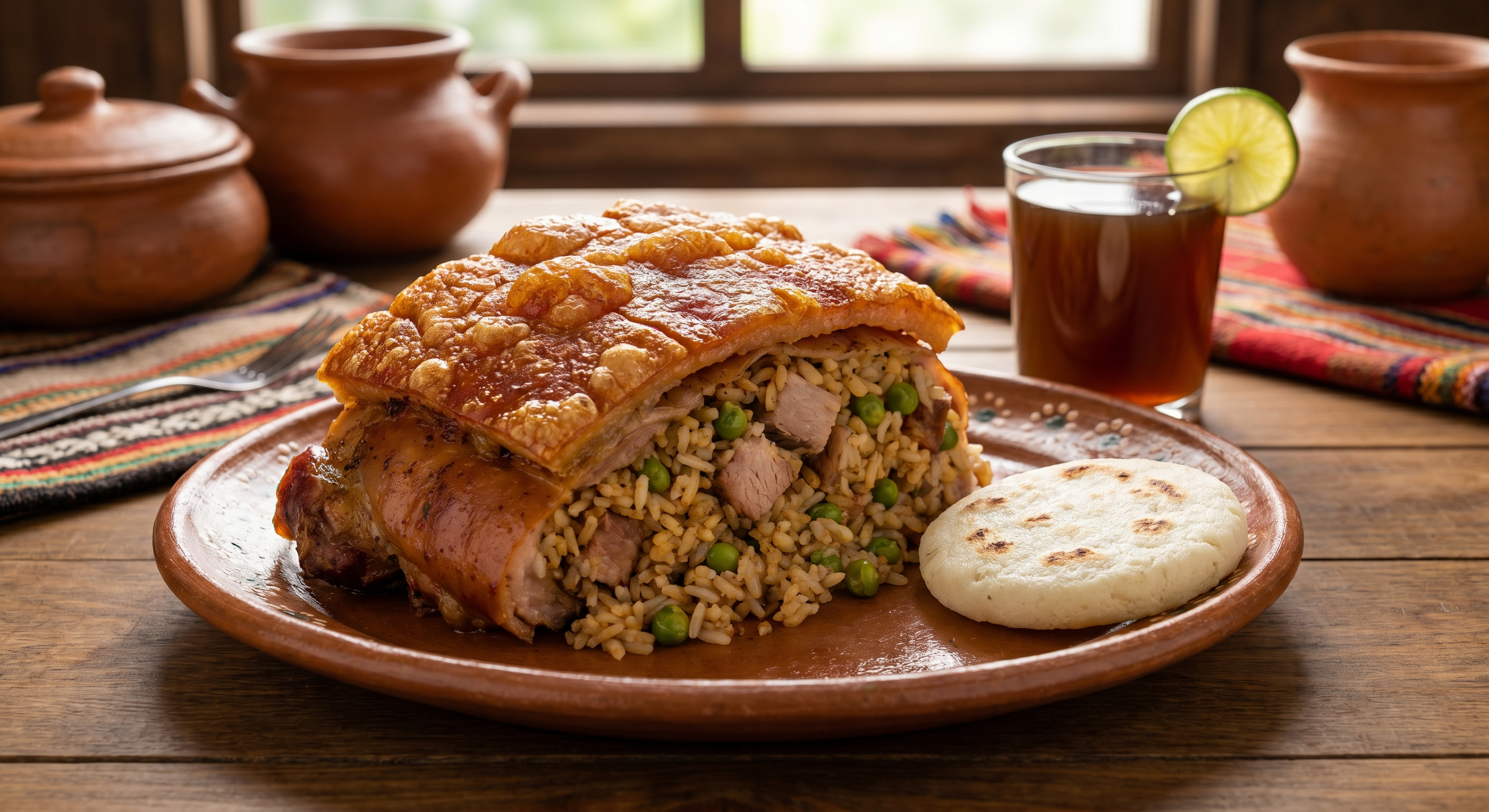
Lechona
A festive dish from Tolima — whole roasted pig stuffed with rice, peas, and spices, served with a crispy skin crust. Usually bought by the kilo at specialty shops. Rich, savory, and unforgettable.
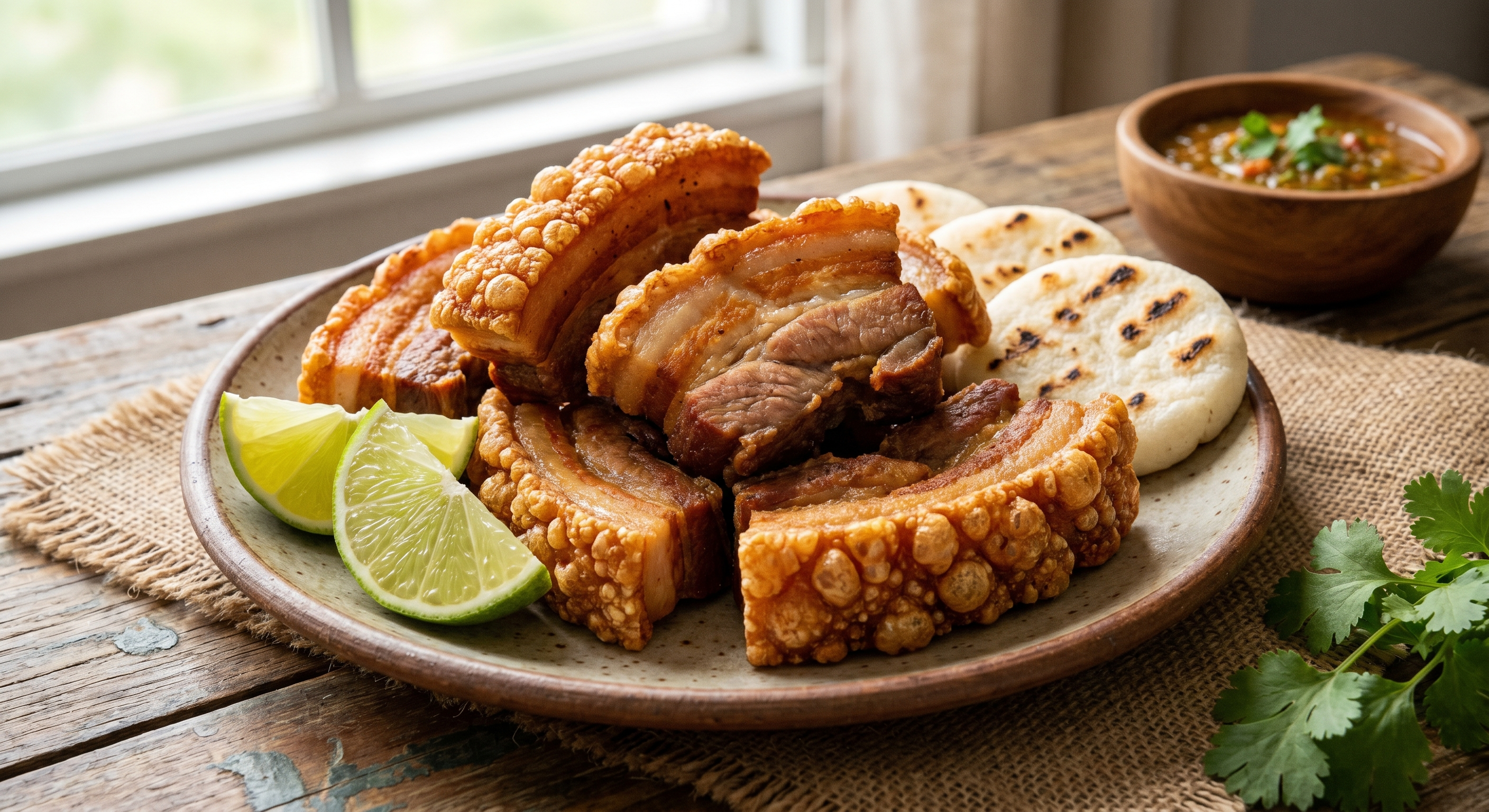
Chicharrón
Deep-fried pork belly with the skin on — crispy, salty, and enormous. A centerpiece of the bandeja paisa and a bar snack throughout Medellín. The best ones crack when you bite them.
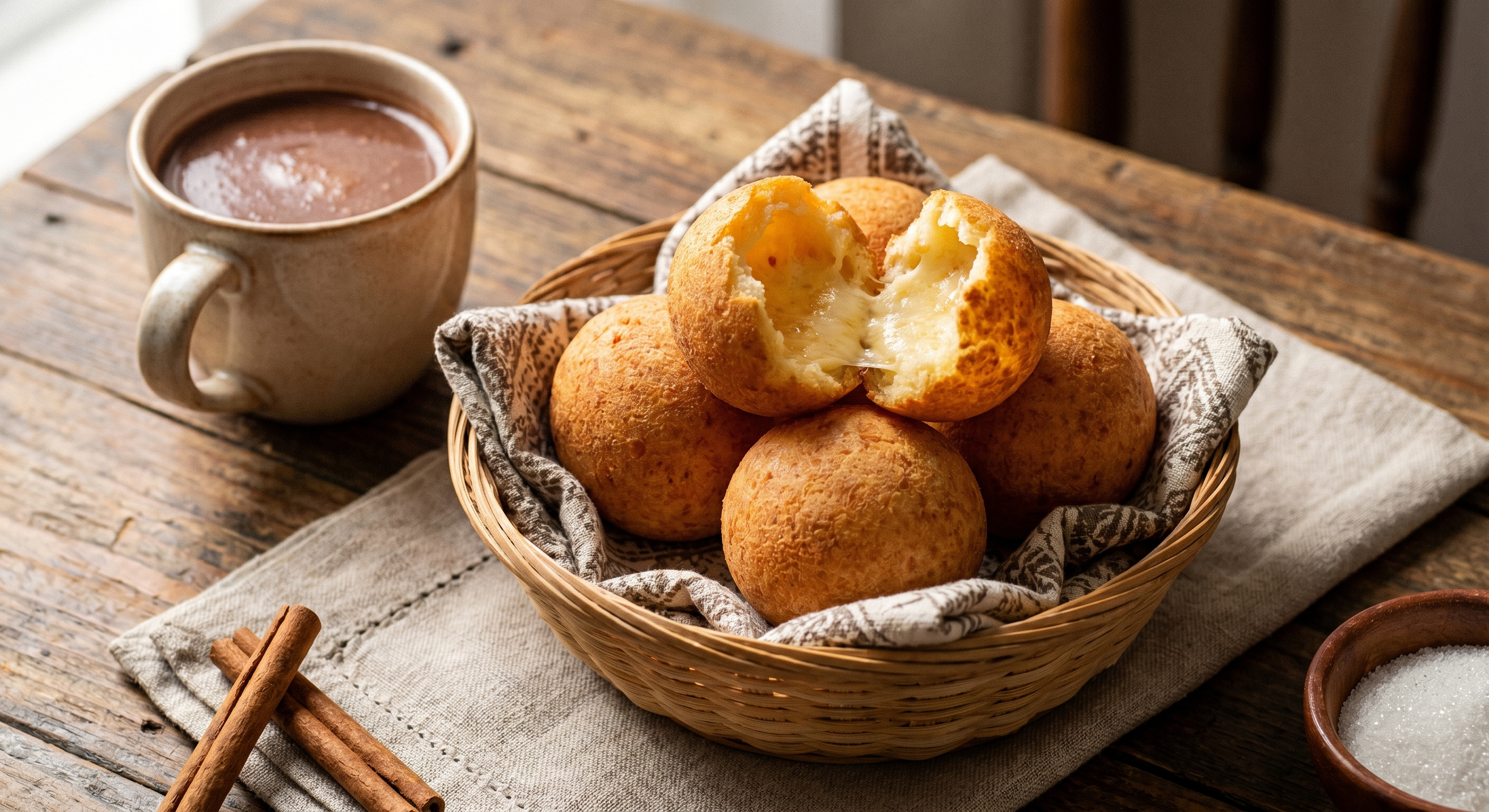
Buñuelos
Fried cheese bread balls made with cassava flour and cuajada cheese. Crispy outside, pillowy inside. A Christmas staple but available year-round at bakeries. Best eaten warm.
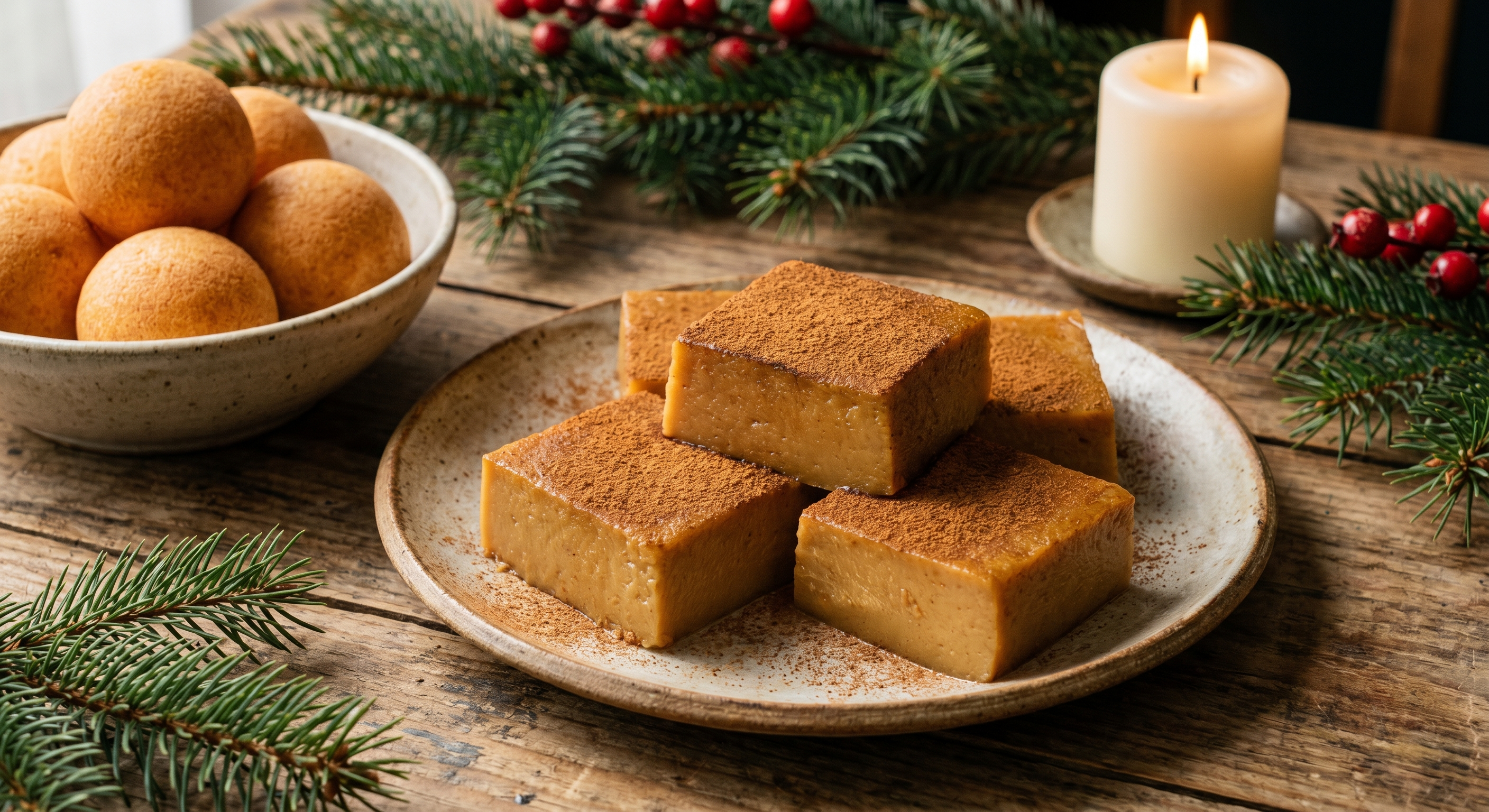
Natilla
A custard-like dessert made with cornstarch, milk, panela (unrefined cane sugar), and cinnamon. Set into a firm block and cut into squares. Traditionally served at Christmas with buñuelos.
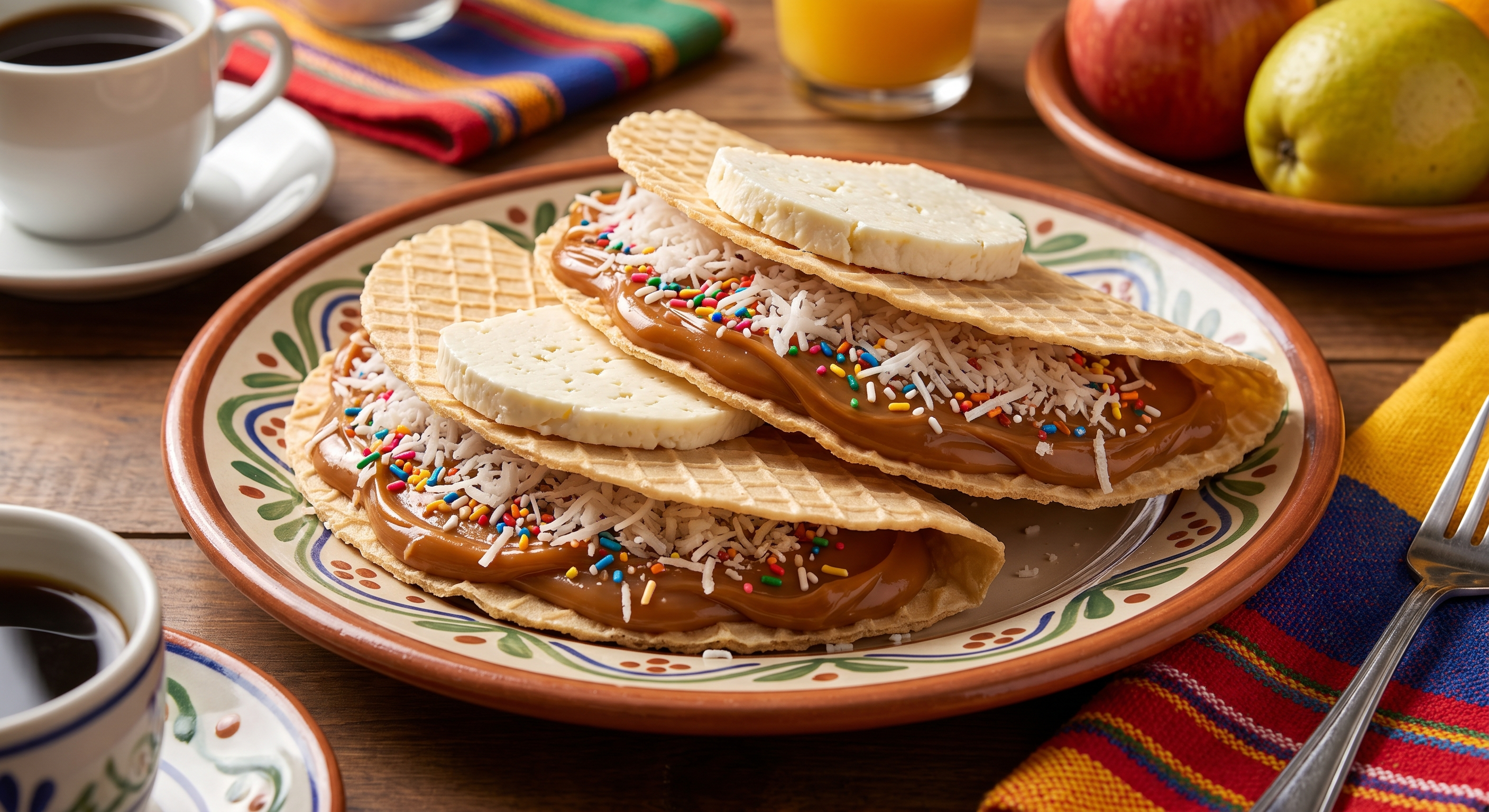
Obleas
Thin wafer sandwiches filled with arequipe (Colombian dulce de leche), jam, cheese, or condensed milk. Sold by street vendors everywhere for COP $2,000–$5,000. The ultimate sweet street snack.
Best Restaurants
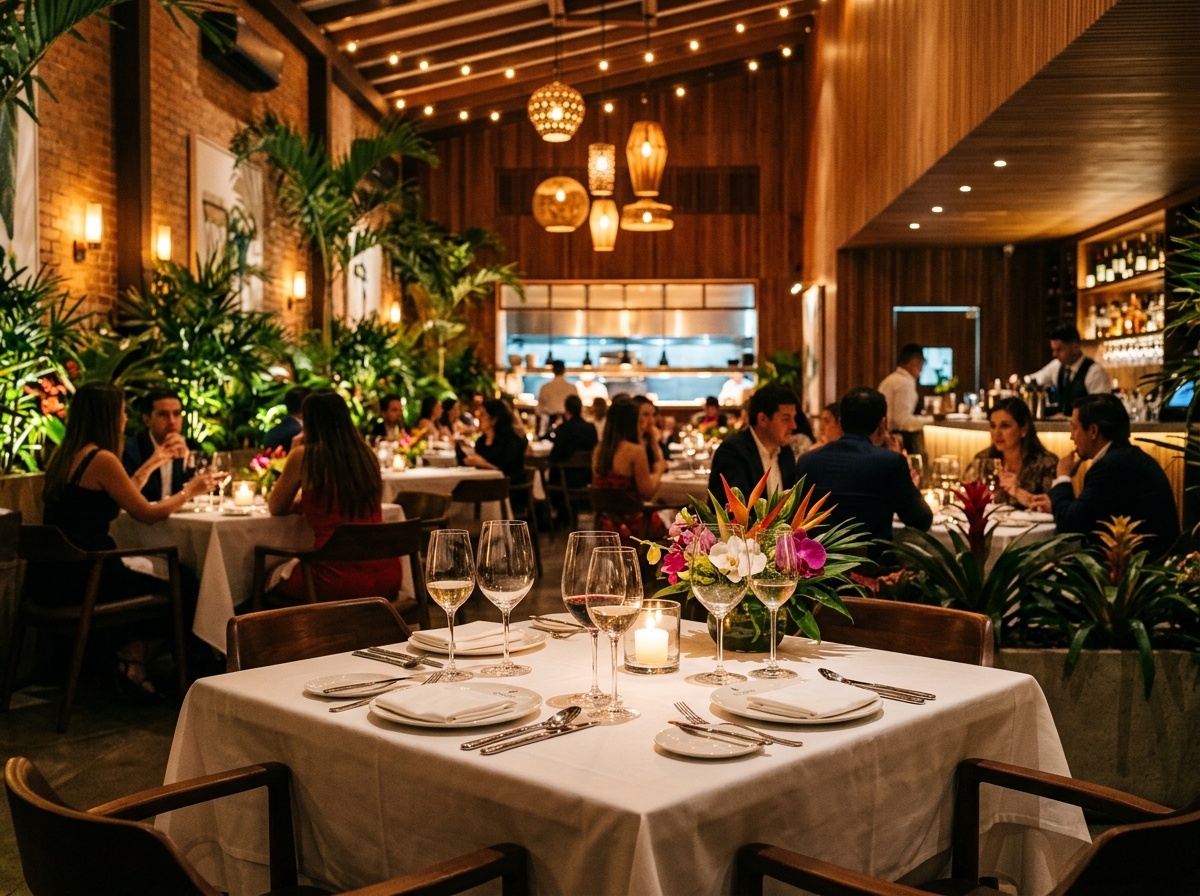
Carmen
Creative Colombian tasting menus highlighting indigenous ingredients. One of Medellín's most celebrated restaurants. Reserve at least a week ahead.
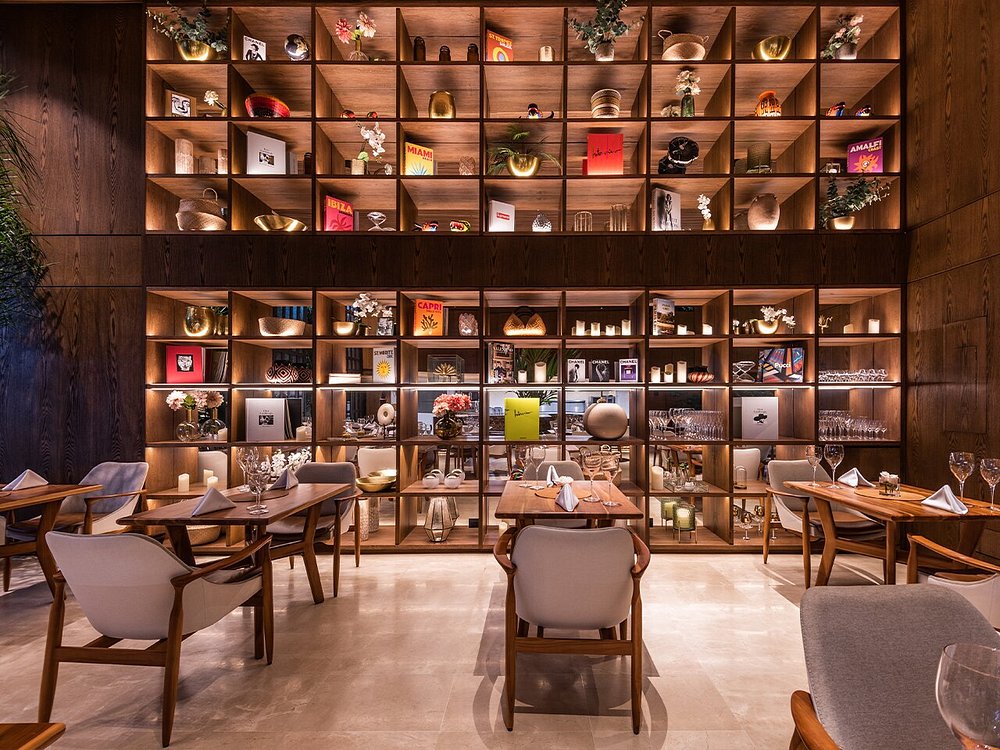
El Cielo
12- or 21-course tasting menu from celebrity chef Juan Manuel Barrientos. A bucket-list meal that plays with all five senses.
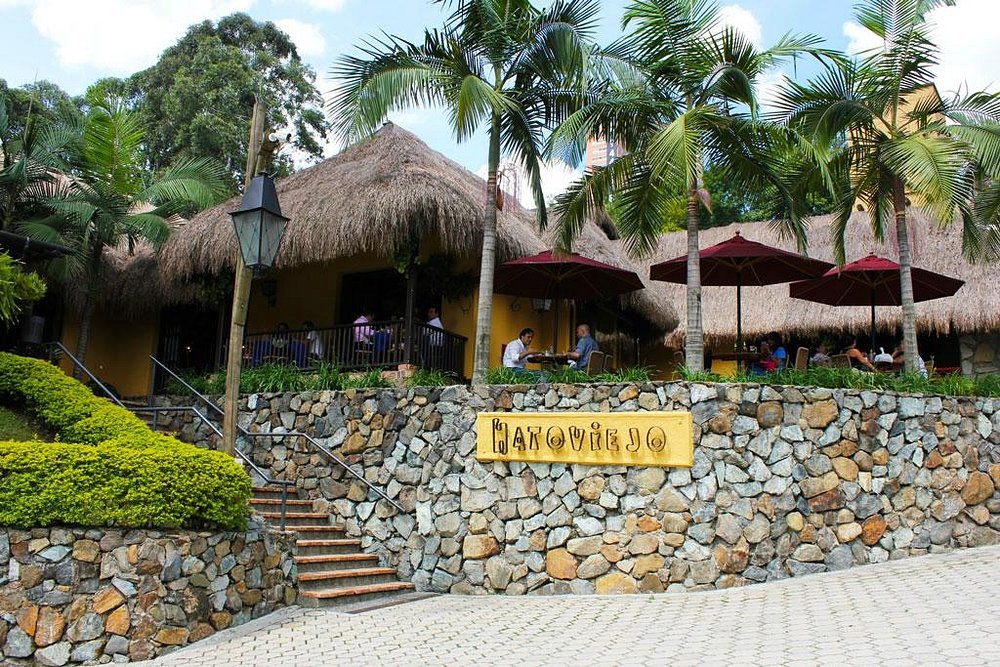
Hatoviejo
The full bandeja paisa experience in a colonial-era setting with antiques. Enormous portions of traditional Antioquian food.
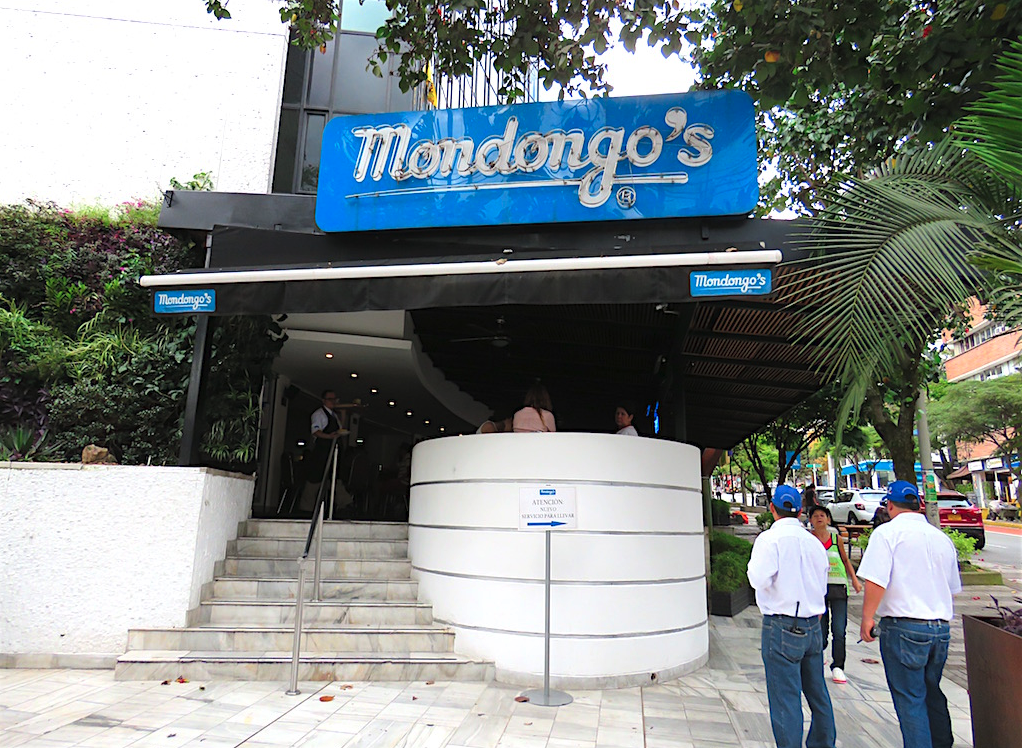
Mondongo's
Best mondongo (tripe soup) in the city. Also excellent sancocho and cazuela de mariscos. A beloved local institution since 1987.
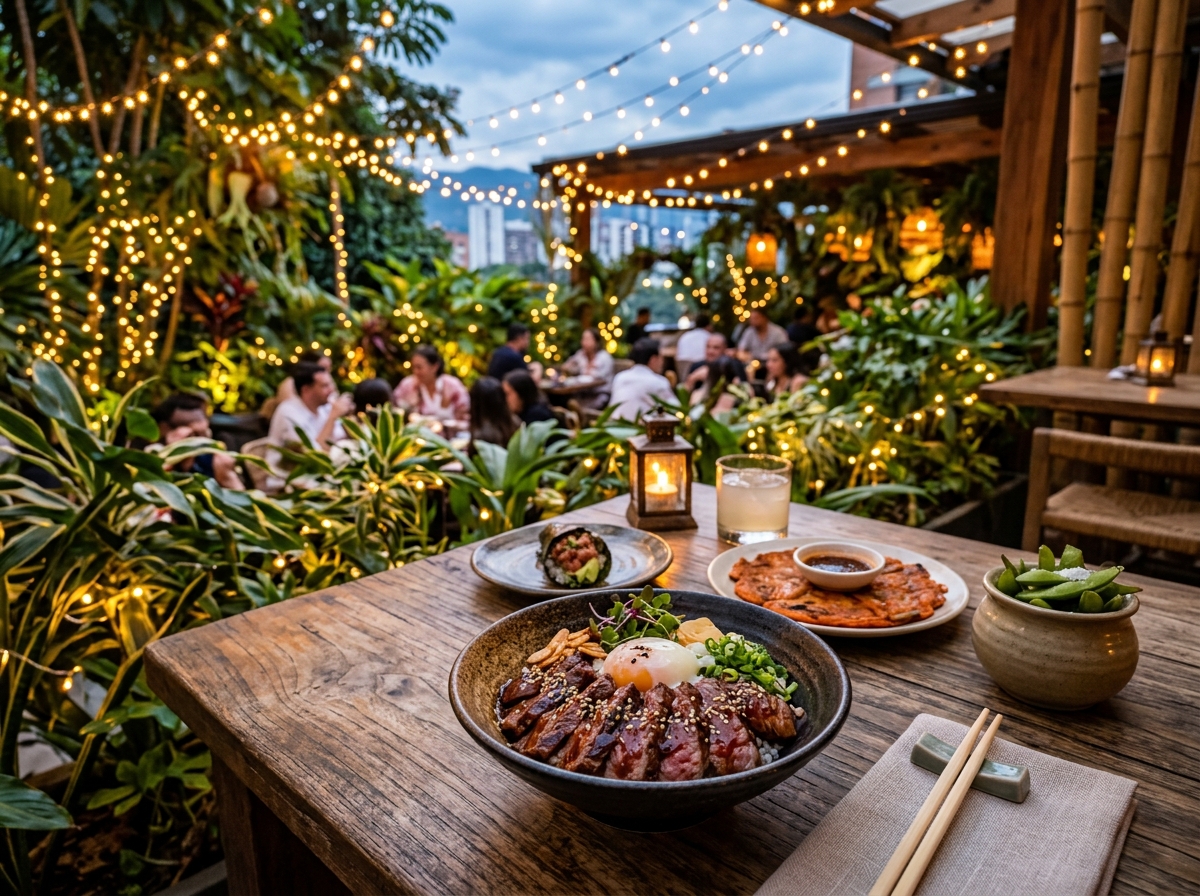
Oci.Mde
Open-air omakase with wagyu dishes and Japanese-Korean small plates. One of the hardest reservations in the city.
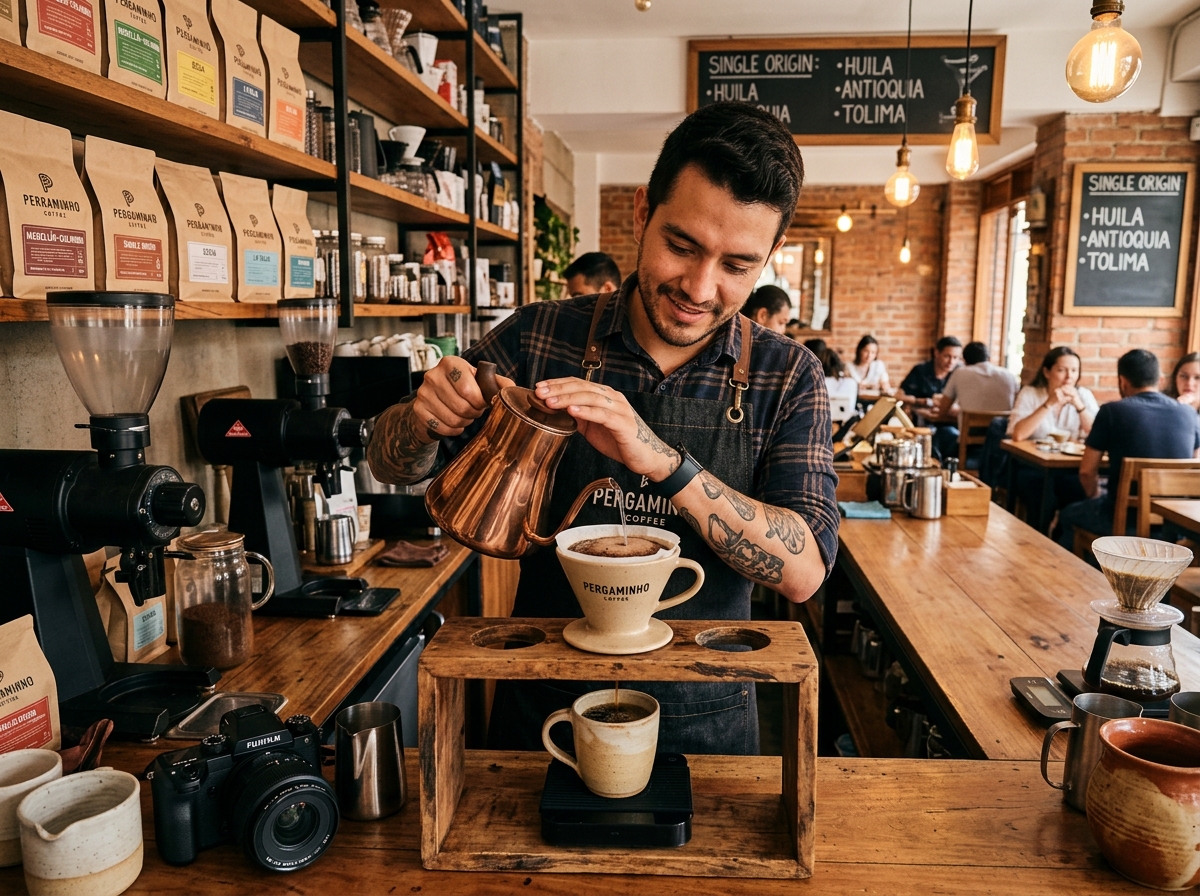
Pergamino Café
Pioneer of Medellín's specialty coffee scene. Single-origin pour-overs from Colombian farms. Excellent sandwiches and pastries.
Street Food
Empanadas
COP $2,000-$3,000Where: Every street corner
Tip: Get them fresh from the fry. Add ají sauce and lime.
Arepas de Choclo
COP $3,000-$5,000Where: Poblado parks, Laureles corners
Tip: Sweet corn arepas with cheese. Best as a late-night snack.
Jugos Naturales
COP $4,000-$8,000Where: Every restaurant and juice stand
Tip: Try lulo, mora, guanábana, and maracuyá. Order con agua or con leche.
Chicharrones
COP $5,000-$10,000Where: Street carts and market stalls
Tip: Look for crispy skin. Eat with arepa and lime. A meal in itself.
Mango Biche
COP $3,000-$5,000Where: Cart vendors everywhere
Tip: Green mango with lime and salt (or hot sauce). Refreshing and tangy.
Obleas
COP $2,000-$5,000Where: Street vendors and parks
Tip: Ask for arequipe and cheese. Yes, cheese with caramel — trust us.
The Best Coffee in the World
Colombia produces some of the world's finest coffee — and for decades, Colombians exported almost all of it. The best beans went to Europe, Japan, and the United States. Locals drank what was left over.
That changed around 2010, when a new wave of specialty coffee shops opened in Medellín. Places like Pergamino and Hija Mía started roasting single-origin beans from Colombian farms and serving them with the same care you'd find in Portland or Melbourne.
Today, you can drink world-class coffee for COP $5,000 ($1.25) a cup. The coffee revolution is the best thing that's happened to Medellín's food scene in decades. Don't leave without trying it.
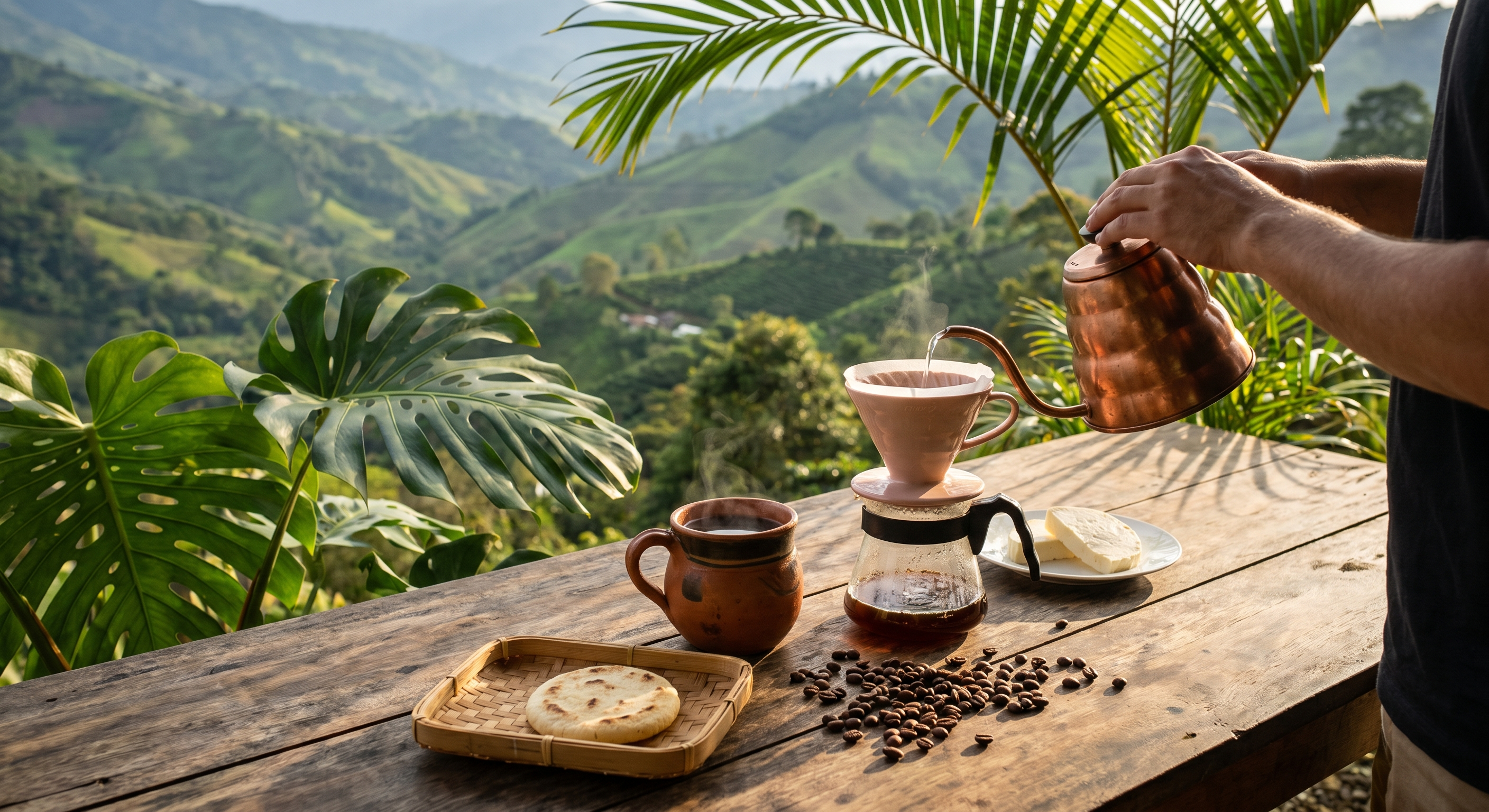
Pergamino Café
The pioneer of Medellín's specialty coffee scene. Multiple locations, single-origin pour-overs, excellent brunch.
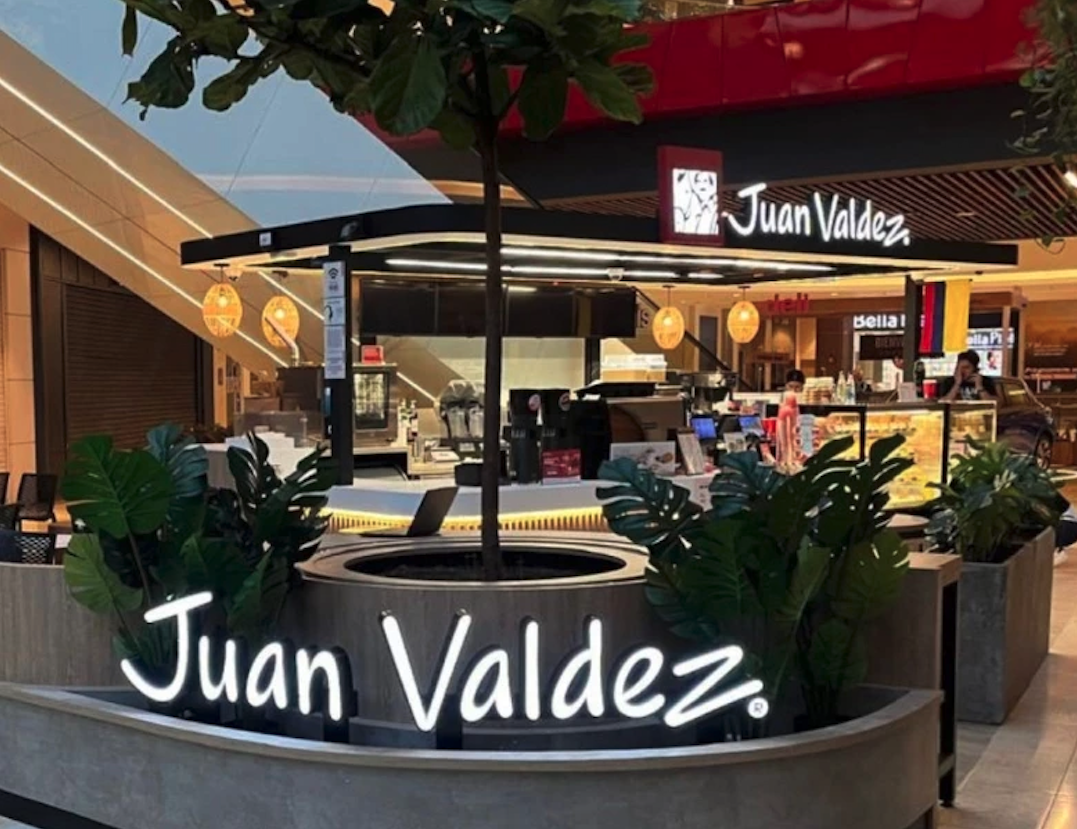
Juan Valdez Café
Colombia's answer to Starbucks — but actually good. Named after the iconic coffee farmer mascot. Reliable, everywhere.
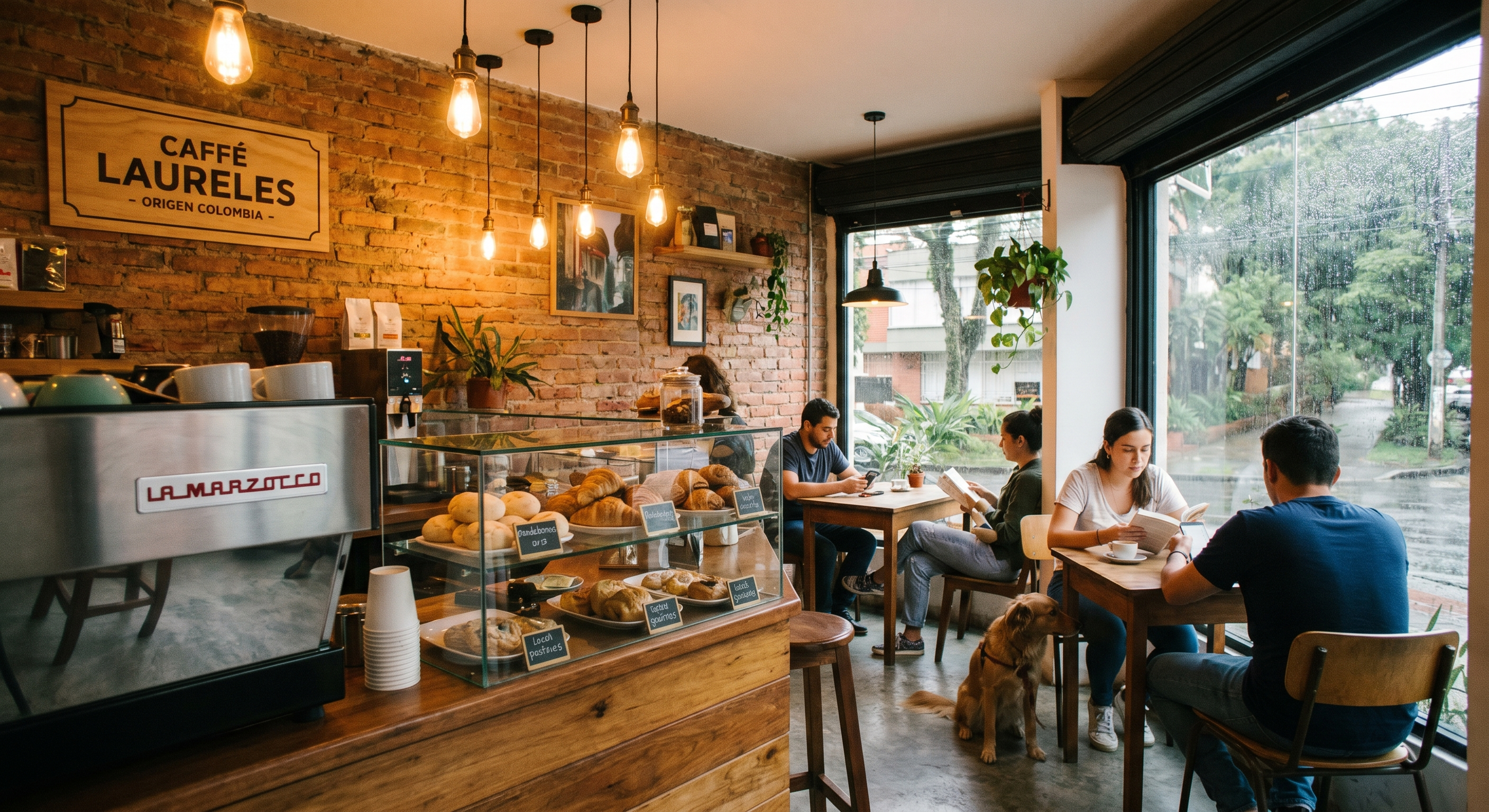
Café Velvet
Laureles neighborhood favorite. Cozy atmosphere, great pastries, and some of the best cold brew in the city.
Food Experiences
Food Tours
Guided walks through street food markets, local fondas, and hidden gems you'd never find alone.
Book NowCooking Classes
Learn to make arepas, bandeja paisa, and Colombian coffee with a local chef in their home kitchen.
Book NowCoffee Farm Tours
Visit a working coffee finca in the mountains. See the full process from bean to cup and taste fresh roasts.
Book NowMarket Tours
Explore Medellín's vibrant outdoor markets — exotic fruits, fresh cheeses, and local ingredients you've never seen.
Book NowWho It's For
- ✓Foods — from street empanadas to world-class tasting menus
- ✓Coffee lovers — taste some of the world's best coffee at its source
- ✓Cultural explorers — food is the fastest way to understand a country
- ✓Budget travelers — COP $5,000 street eats rival any $50 restaurant
- ✓Cooks — take home recipes for arepas, sancocho, and fresh salsa
Eat Confidently
Medellín's food safety is generally excellent. Street food is safe if you follow one rule: long lines of locals = safe and delicious. Cooked-to-order is always better than pre-made. Drink bottled or filtered water.
How Much to Tip
Restaurants add a 10% "propina voluntaria" (voluntary tip) to the bill. You can accept or remove it. For street food, no tip expected. For great service at upscale restaurants, add another 5-10%.
Colombian Food on Video
Taste Medellín Like a Local
Our ambassadors know every hidden fonda, the best street vendors, and the restaurants guidebooks miss.
Browse Services