Medellín
The City of Eternal Spring — Colombia's second-largest city, reborn from its violent past into one of Latin America's most innovative and welcoming destinations.
From Valley Outpost to Innovation Capital
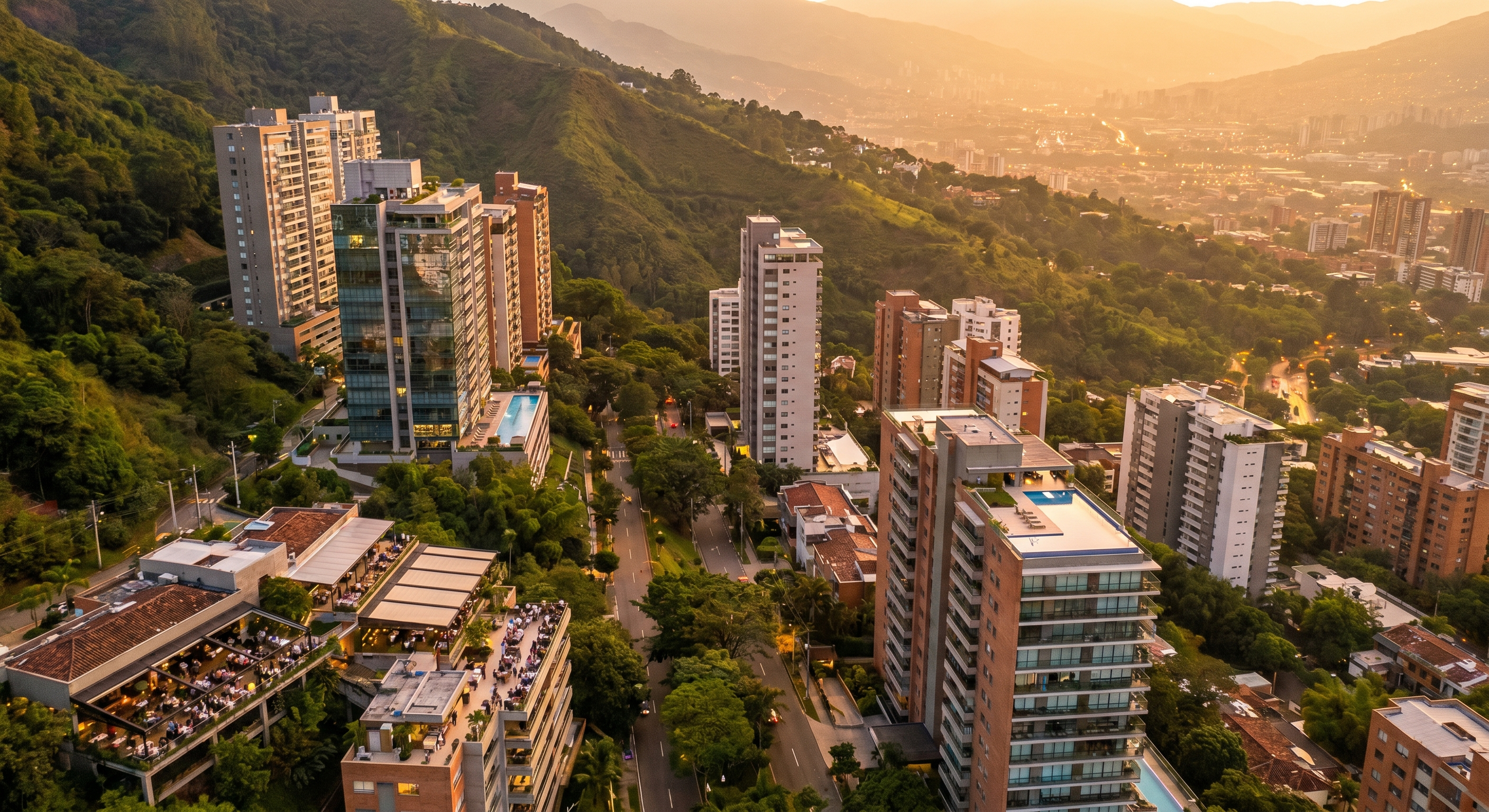
Founded in 1616 as San Lorenzo de Aburrá by Spanish explorer Francisco Herrera y Campuzano, Medellín began as a tiny settlement of just 80 indigenous people in the lush Aburrá Valley. Named after Medellín, Spain (in Extremadura), the city grew slowly for centuries, isolated by mountains on all sides.
The 20th century brought textile manufacturing and the drug trade in equal measure. By 1991, Medellín was the murder capital of the world — 381 homicides per 100,000 people. Pablo Escobar's war against the state had turned entire neighborhoods into war zones.
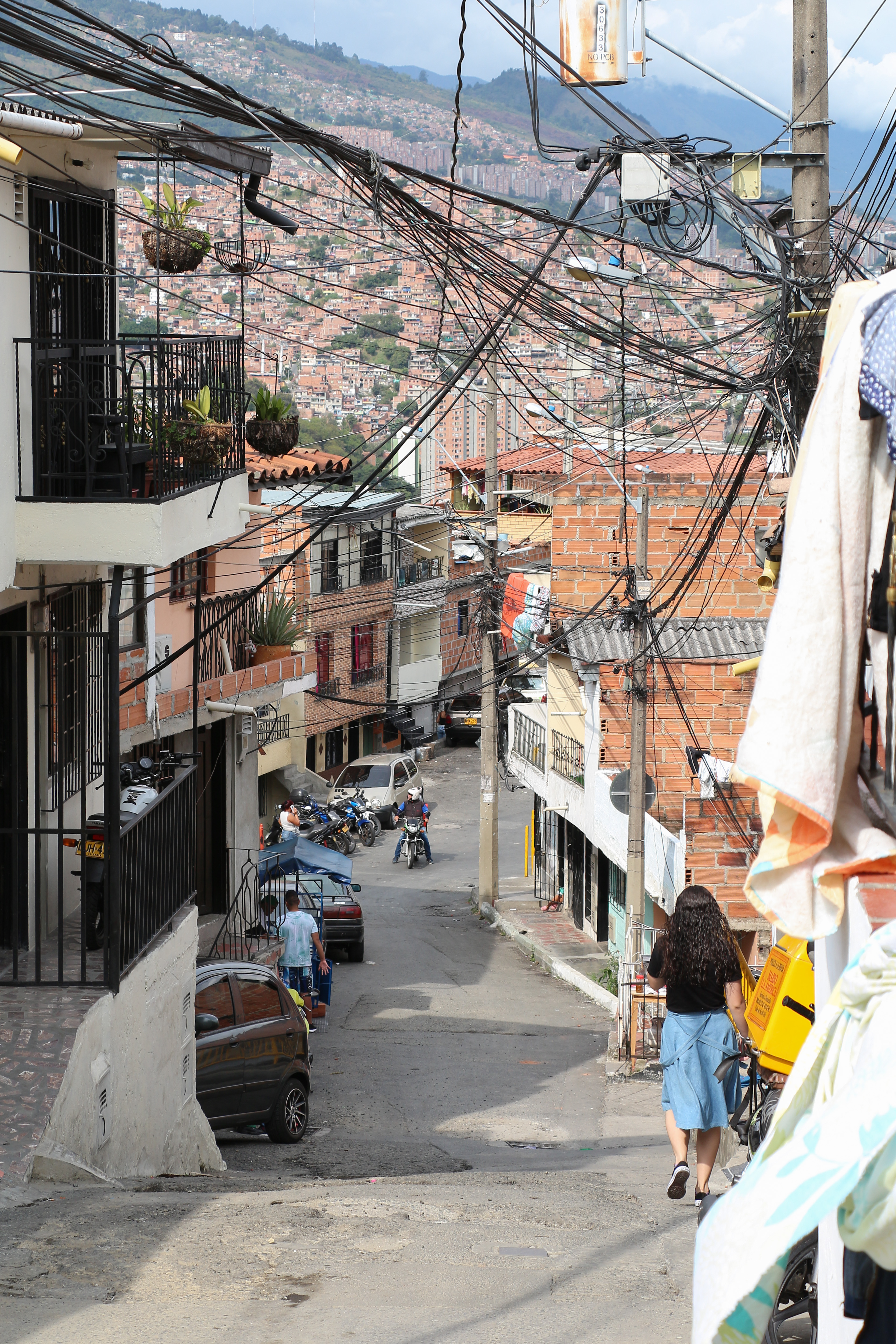
The transformation since then is one of the greatest urban comeback stories in history. In 2013, the Wall Street Journal named Medellín the “Most Innovative City in the World” — beating out New York and Tel Aviv. The MetroCable system, connecting hillside communities to the city center, is now studied worldwide as a model of urban equity and transformation. Today, Medellín is home to Colombia's only metro system and a thriving tech, startup, and digital nomad scene.
Local Knowledge
Eternal Spring, No Seasons
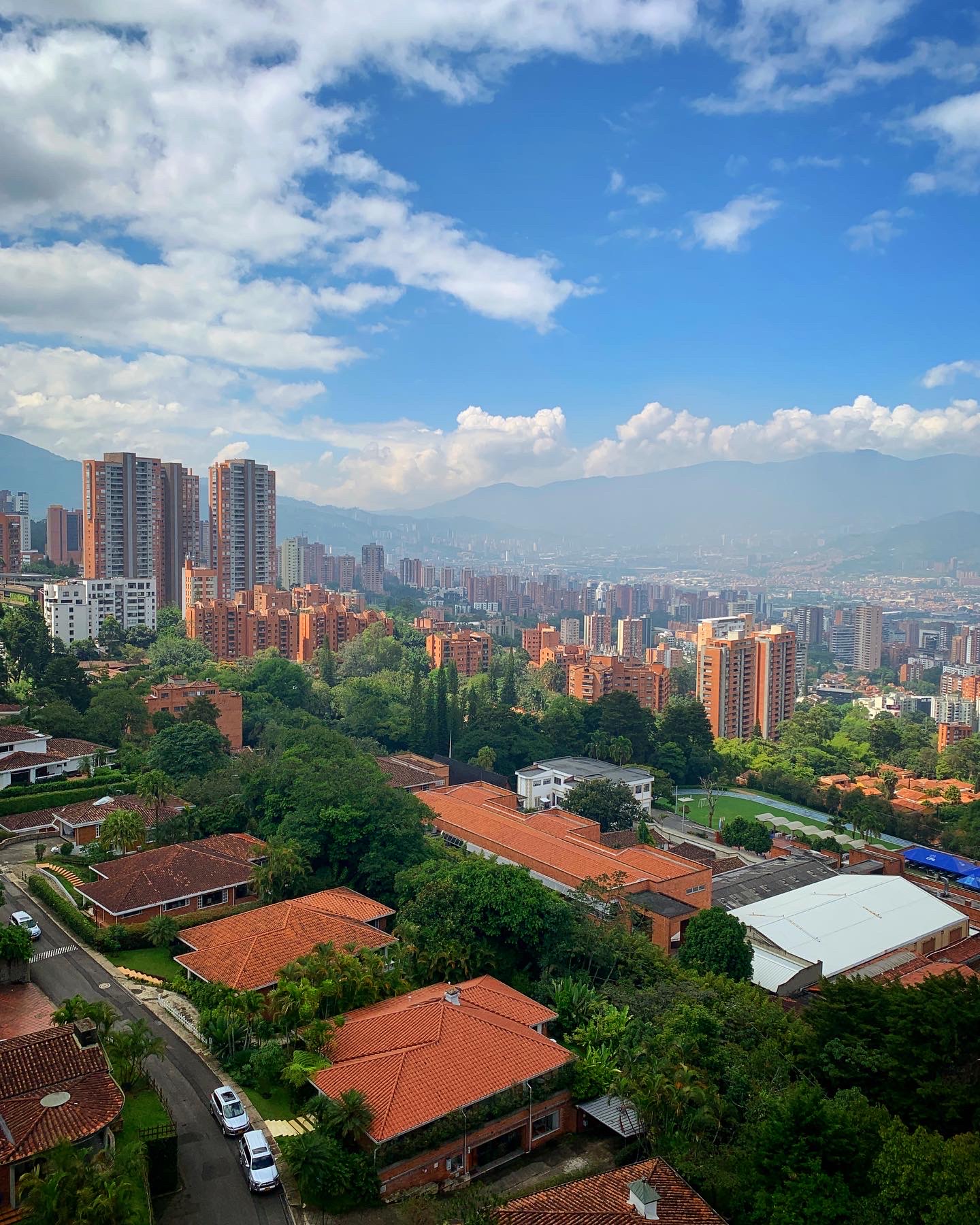
At 1,500m elevation near the equator, Medellín gets 72°F every single day. No summer, no winter — just dry season and rainy season. Pack light layers.
Only Metro in Colombia
Bogotá doesn't have one. Cali doesn't have one. Medellín is the only Colombian city with a full metro system — and it's clean, safe, and costs COP $2,950.
MetroCable: Transit + Views
The MetroCable gondola system was built to connect hillside neighborhoods but doubles as one of the best sightseeing rides in South America. Included in metro fare.
Your Dollar Goes Far
$1 USD ≈ COP $4,100. A nice dinner costs $8–15. Uber across the city is $3–5. You can live very well here for a fraction of US prices.
Comuna 13's Reinvention
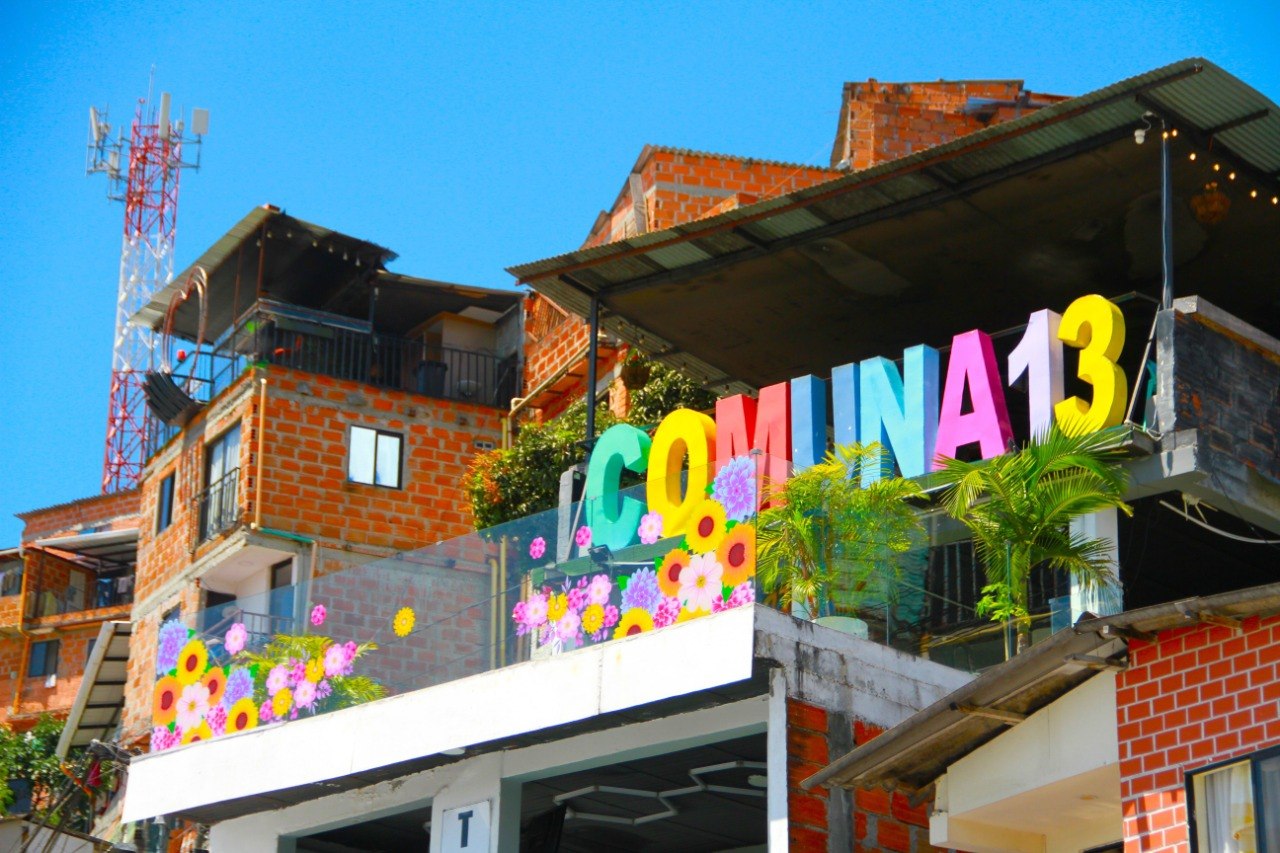
Once the most dangerous neighborhood on earth, Comuna 13 is now an open-air art gallery with electric escalators, street art tours, and some of the city's best views.
Coffee Capital Access
Medellín sits in the heart of Colombia's coffee region. Within 2 hours you can be at working coffee fincas. The city's specialty cafés rival anything in Portland or Melbourne.
Practical Info
🌤️ Best Time to Visit
Medellín's weather is consistent year-round (72°F always), but rain patterns matter:
- Dry season (Dec–Mar): Best weather, peak tourist season. Book ahead.
- Shoulder (Jul–Aug): Second dry window, fewer crowds, good prices.
- Rainy (Apr–May, Oct–Nov): Afternoon downpours but mornings are gorgeous. Best deals on flights and hotels.
✈️ How to Get There
José María Córdova International Airport (MDE) is 40 minutes from the city center in Rionegro.
- From Miami: ~3.5 hours direct (AV, AA, Spirit)
- From NYC: ~5 hours direct (AV, JetBlue)
- From LA: ~6.5 hours (1 stop usually)
- Airport to city: COP $70,000–$90,000 by taxi/Uber. Shared bus COP $11,000.
🚇 Getting Around
- Metro: COP $2,950 per ride. Clean, safe, covers main corridors. Only metro in Colombia.
- MetroCable: Included in metro fare. Lines K, J, and L go up into the hills with incredible views.
- Uber: Cheap and reliable. COP $6,000–$15,000 for most trips within the city.
- Rental car: Not recommended. Traffic is chaotic and parking is scarce. Uber + metro covers everything.
💱 Currency, Language & Tipping
- Currency: Colombian Peso (COP). $1 USD ≈ COP $4,100. ATMs everywhere. Cards accepted at most places.
- Language: Spanish. English spoken in El Poblado, tourist areas, and upscale restaurants. Download Google Translate offline.
- Tipping: 10% at restaurants (often included as “propina voluntaria”). Not expected at street food or taxis.
- SIM card: Get a Claro or Tigo SIM at the airport for COP $20,000–$30,000 with data.
Who It's Best For
- ✓Digital nomads — fast Wi-Fi, cheap living, great cafés, 90-day tourist visa
- ✓First-time Colombia visitors — most developed tourist infrastructure in the country
- ✓Budget travelers — your dollar goes 4x further than in the US
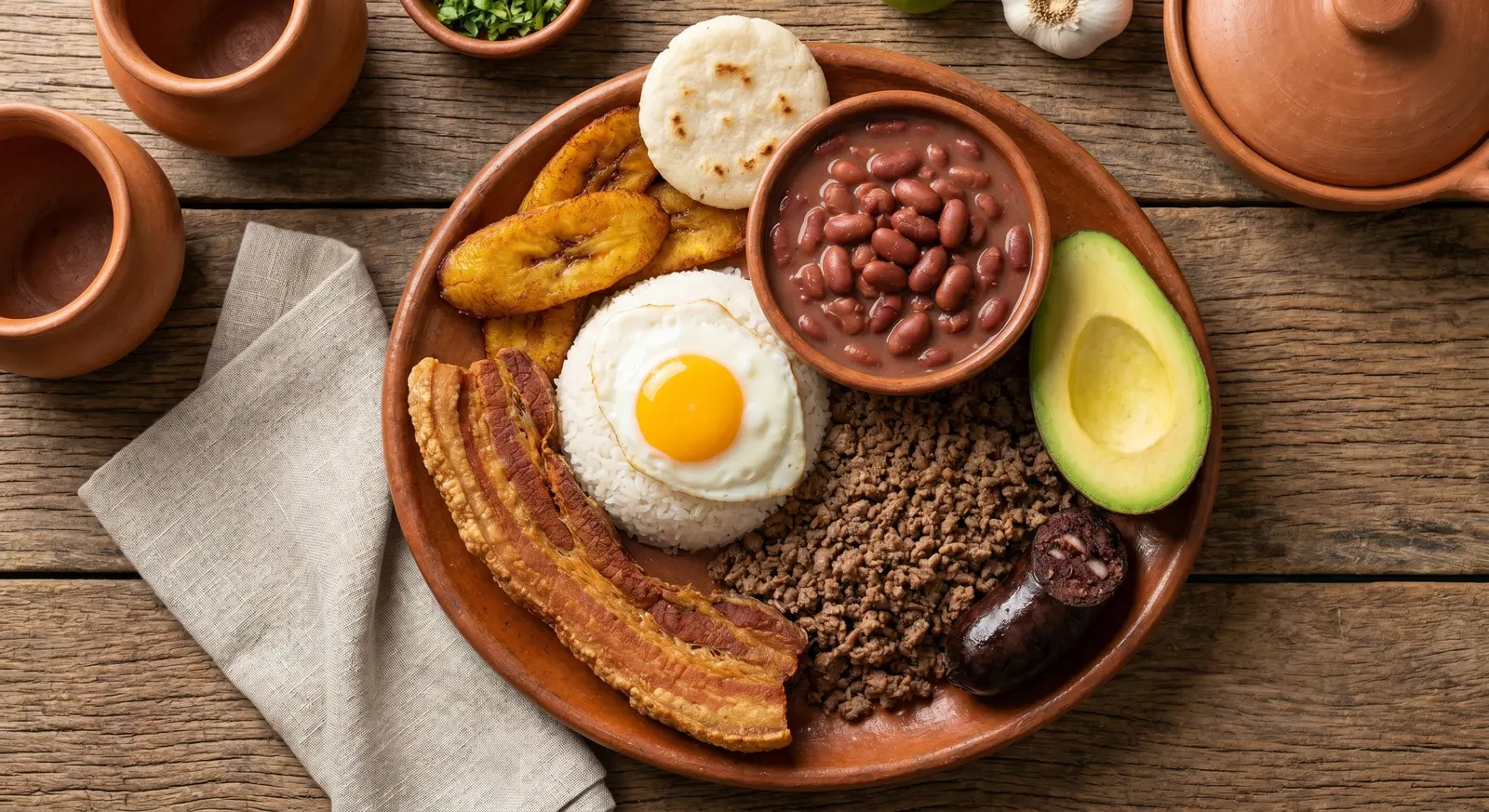
- ✓Foodies — from COP $5,000 street empanadas to world-class tasting menus
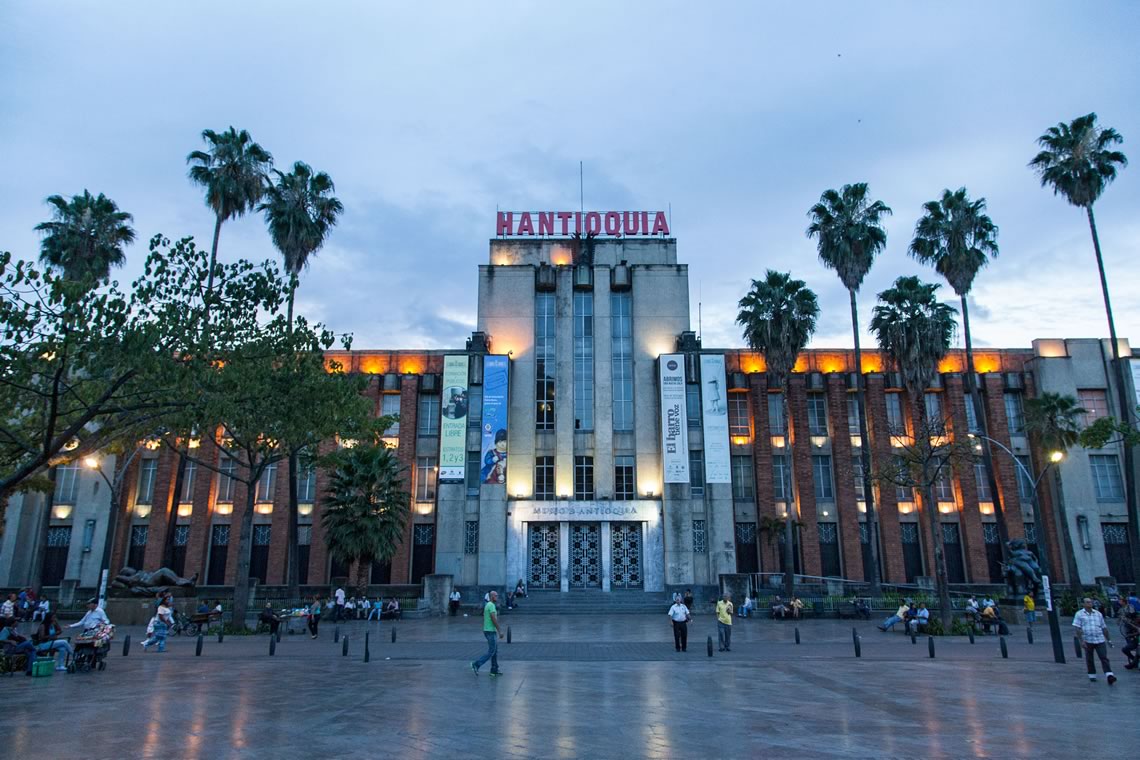
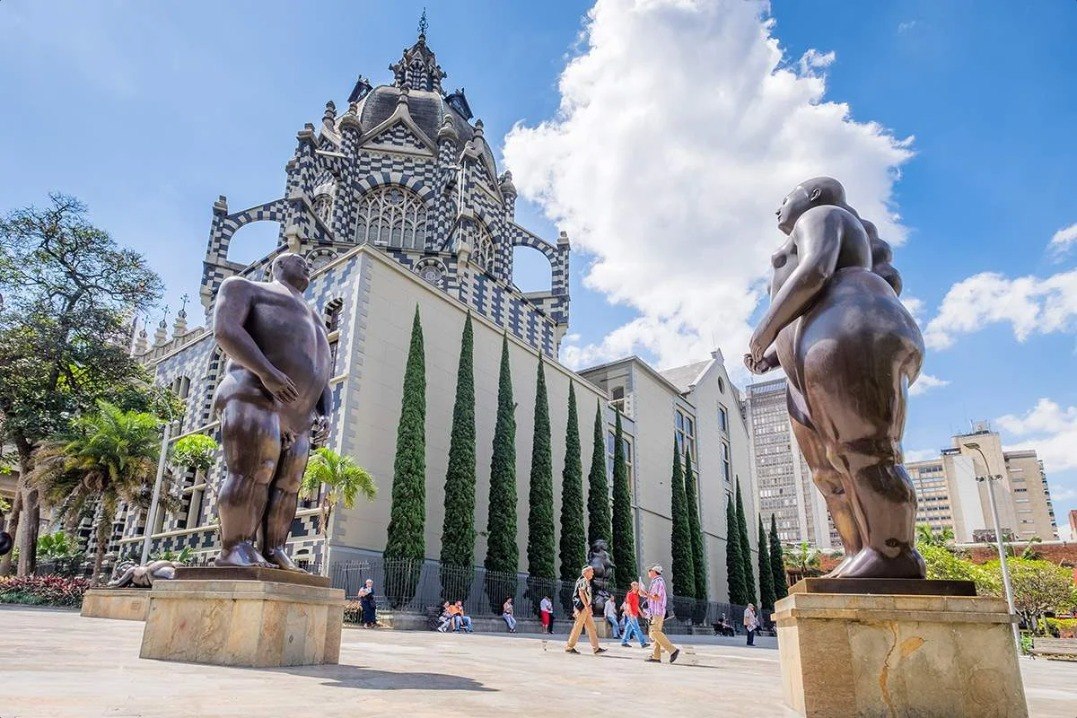
- ✓Culture seekers — Botero, Comuna 13, coffee fincas, and pueblos nearby
Dramatically Improved
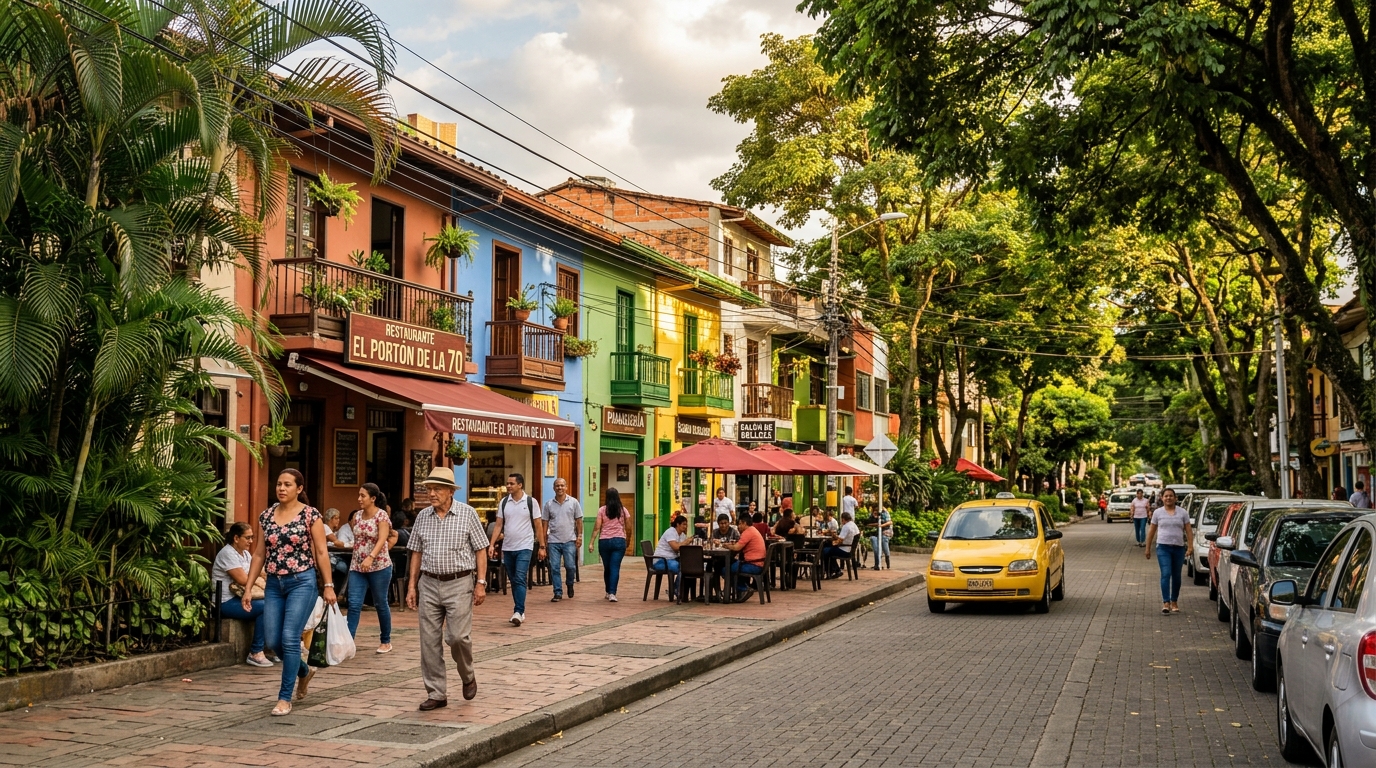
Medellín's safety has transformed since the 1990s. The tourist areas — El Poblado, Laureles, Envigado, La Candelaria during the day — are generally safe. Violent crime against tourists is rare.
Use Uber instead of hailing street taxis. Stick to well-lit areas at night. Don't flash expensive electronics in non-tourist areas. Use the same street smarts you'd use in any major city.
Metro + Uber
Colombia's only metro system is your best friend. COP $2,950 per ride covers the full network including MetroCable gondolas. Clean, safe, and efficient.
Uber is cheap (most rides $1.50–$3 USD). No need for a rental car — between metro and Uber, you can reach every part of the city easily. Airport (MDE) is 40 min away.
Looking for guided experiences?
Find tours, food walks, and local experiences in Medellín
Browse Experiences →Medellín on Video
Experience Medellín Like a Local
Our ambassadors know every hidden restaurant, shortcut, and spot the guidebooks miss.
Browse Services